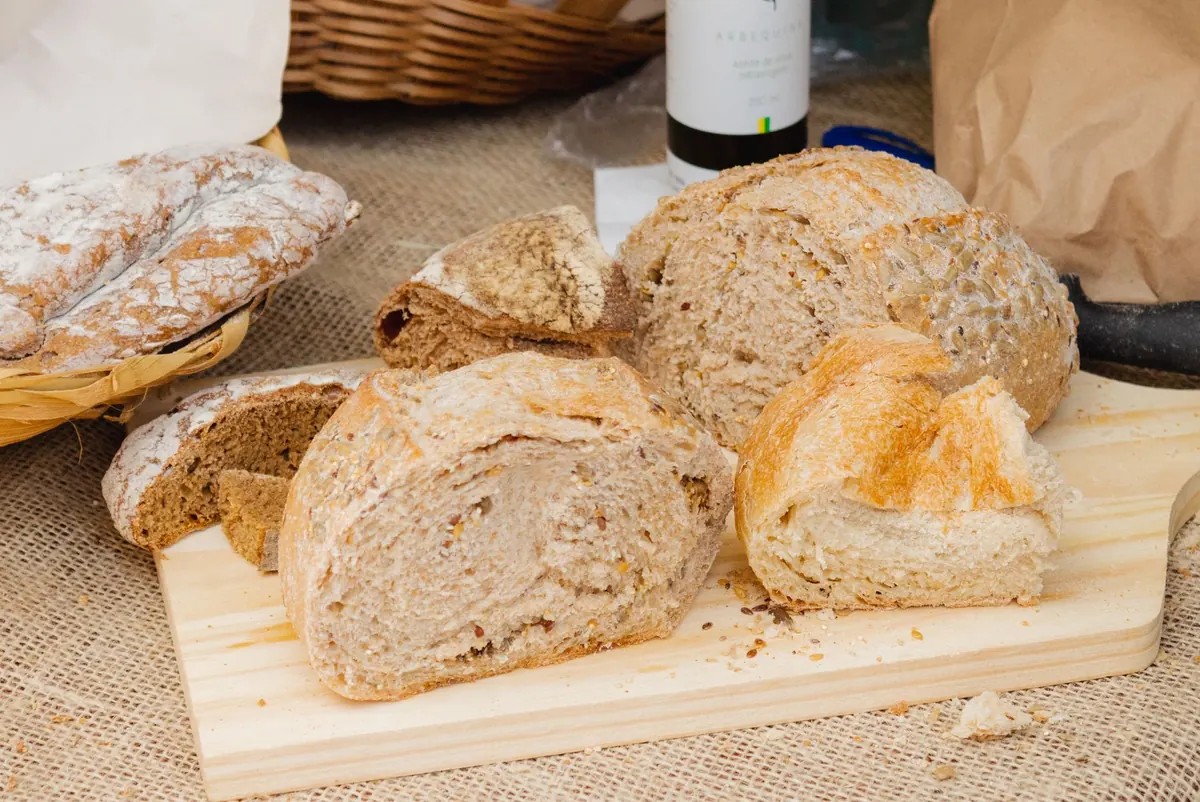
Somewhere near the bottom of the bread basket sits a hard, dry heel that nobody at the table wants. In an Italian kitchen it has a name and a future. It becomes the base of a salad in August, the body of a soup in February, the toasted crumbs scattered over Tuesday's pasta, the golden crust on Sunday's meatballs. Bread is treated as an ingredient first and a slice second, which is why there are so many ways to use it once it has gone past its best. What follows is a working checklist, not a museum list: each entry is something you can do with the loaf currently drying out on your counter.
The Checklist: Ten Uses at a Glance
- Panzanella — soaked, squeezed, and dressed with tomatoes, onion, basil, oil, and vinegar.
- Bread soups — ribollita, pappa al pomodoro, acquacotta, pancotto.
- Canederli and passatelli — dumplings that depend on bread, not flour.
- Polpette and polpettone — soaked bread keeps the meat tender and stretches the mix.
- Vegetable fritters and frittelle — bread pulp binds where flour would make things heavy.
- Pangrattato — toasted crumbs as a finishing sprinkle in place of grated cheese.
- Impanatura — dry crumbs for coating cutlets, fish, and fried vegetables.
- Pasta with breadcrumbs — the Sicilian pasta ca' muddica and its relatives.
- Crostini, bruschetta, crostone — for bread that is only a day past fresh.
- Torta di pane and sweet puddings — the breakfast end of the story.
Panzanella and Other Bread Salads
Panzanella is the dish that teaches you the central rule of stale bread: it needs moisture, and it needs to be handled gently until it gets there. Use bread that is two or three days old, firm enough to tear but no longer soft enough to slice cleanly. Tear it into rough chunks the size of a walnut and drop it into a bowl of cold water for a minute or two. Lift it out, squeeze it in your fist until it stops dripping, and leave it loose, not compacted.
Meanwhile salt sliced tomatoes in a colander and let them drain for fifteen minutes; the liquid that runs off becomes part of the dressing. Add thinly sliced red onion that has spent ten minutes in cold water, cucumber, celery, a handful of basil, good olive oil, red wine vinegar, and no salt at first — the bread has already drunk enough water to make seasoning tricky. Let the whole thing sit for twenty to thirty minutes before eating. It should be savoury and juicy, never soggy. Tuna, capers, or a few anchovies turn it into lunch.
The same principle covers other bread salads: torn bread with roasted peppers and olives, or with fennel and lemon, as long as the bread is moistened and dressed well before serving.
The Soup Pot: Ribollita, Pappa al Pomodoro, Acquacotta
Bread soups are where the oldest bread goes. The bread there is not a garnish; it is the thickener, and it should be removed from the pot's edge with a wooden spoon rather than boiled down to nothing.
Ribollita
Cook your cavolo nero, beans, and soffritto as usual, then add slices of stale bread, crusts off if you want a smoother texture. Stir only at the end. The soup is traditionally reheated the next day, which is exactly what the name means, and the bread should be soft enough to fall apart at the touch of a spoon.
Pappa al pomodoro
Soften garlic and chili in oil, add tomatoes, cook briefly, then stir in chunks of stale bread and a little water or stock. Simmer ten minutes until the bread collapses into a dense, spoonable porridge. Finish with torn basil and a raw pour of olive oil, and serve it warm rather than hot.
Acquacotta and pancotto
In the Maremma version, bread goes into the bowl first and hot broth is poured over it at the table. Pancotto follows the same logic with onions or garlic: bread, water, oil, and patience. Both are good places to use bread that is too far gone for salads.
Bound and Tender: Canederli, Polpette, Fritters
Fresh breadcrumbs make a soggy meatball; dry ones make a dry one; stale bread soaked in milk makes the right one. Soak the torn crumb in milk for ten minutes, squeeze it lightly, and use roughly one part soaked bread to three parts meat, plus egg, parmesan, parsley, salt, and pepper. Fry a small piece to check the seasoning before you roll the rest.
In the Alps, the same idea becomes canederli: cubes of stale bread tossed with milk, eggs, cheese, and speck, rested until the bread binds everything together, then poached in broth. Passatelli goes the other way, using fine dry crumbs with parmesan, eggs, and nutmeg, pressed through a special tool into clear broth. Nothing is wasted because bread is doing the structural work.
For vegetable fritters, add a handful of soaked, squeezed bread to grated courgette, spinach, or cauliflower along with an egg and a little cheese. The bread holds the mixture without the floury taste. Small bread-only polpette, bound with egg and parmesan and fried in olive oil, are a decent dinner with greens and a squeeze of lemon.
Crumbs That Earn Their Keep: Pangrattato, Pasta, Impanatura
Dry your bread in a low oven until it is brittle, then blitz it to coarse crumbs. Warm olive oil in a pan with garlic, chili, and rosemary, add the crumbs and a chopped anchovy, and fry until they are dark gold and smell toasted. That is pangrattato — the crisp sprinkle that makes a plate of pasta with broccoli or cauliflower feel finished. Keep it in a jar for a week and use it wherever a recipe asks for grated cheese.
For pasta ca' muddica, toast crumbs in oil with anchovies and a little garlic, cook the pasta, then toss everything with raisins and pine nuts if you like the sweet-savoury contrast. The crumbs should catch in the pasta, not sink to the bottom.
Dry, fine crumbs are also better than fresh for coating: mix them with parmesan, salt, and herbs, dip cutlets or fish in flour, egg, then crumbs, and let them rest ten minutes before frying so the coating holds.
Crostini, Torta di Pane, and the Sweet End
Bread that has stiffened but not hardened into a brick is ideal for crostini. Slice it, brush with oil, bake at about 200°C until crisp, then rub with a cut garlic clove while still warm. Top with tomato, chicken liver pâté, or soft cheese. A thicker slice makes a crostone, the base for a soup or a bed for beans and greens.
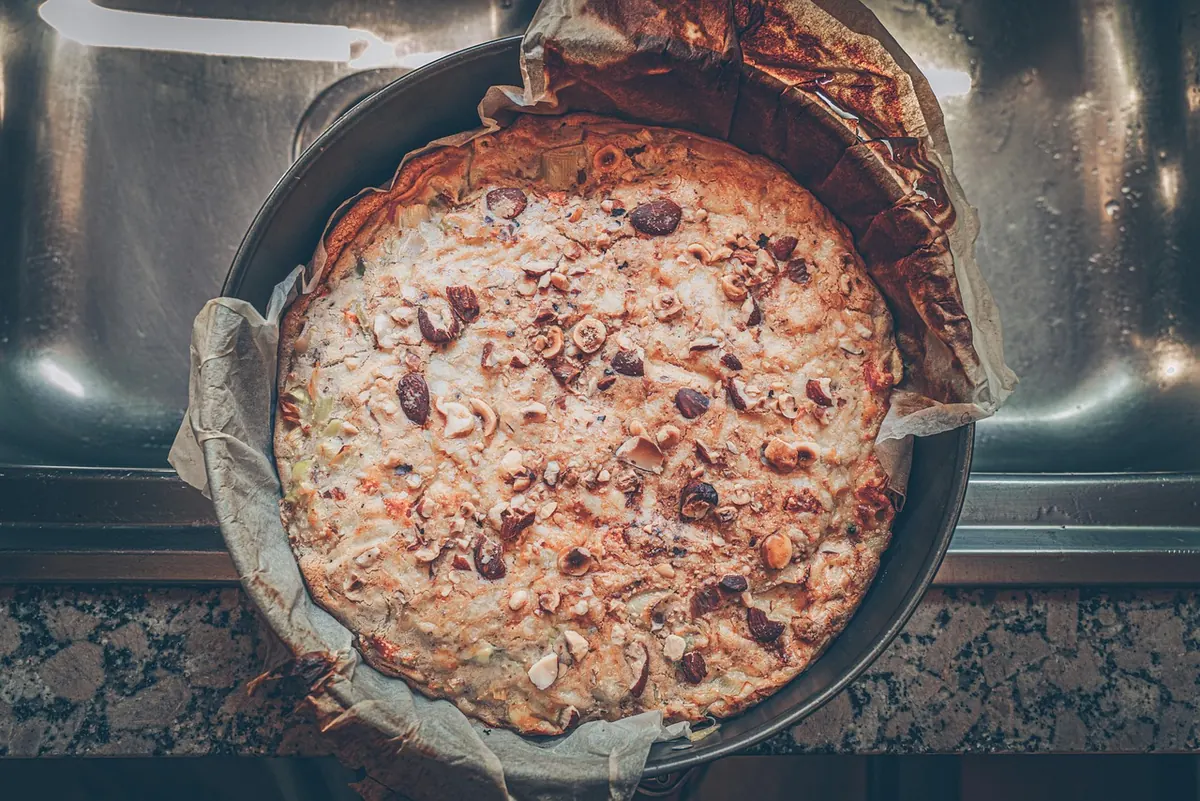
Sweet bakes absorb the leftovers nobody else wants. For torta di pane, soak the bread in milk, beat in eggs, sugar, cocoa, raisins, and pine nuts, pour into a lined tin, and bake until set with a slight wobble. The same mixture, cooked in a mould set in a water bath, becomes a bread pudding. Small pieces can be dipped in milk, egg, and sugar and fried as frittelle.
Keep It, Revive It, Then Use It
A few habits make the checklist practical. Store bread at room temperature in paper or a cotton bag rather than plastic, where it turns soft then mouldy. Slice and freeze what you will not finish within a day or two; slices separate easily and toast straight from frozen. If a whole loaf is only stale, run it briefly under the tap, shake off the excess, and bake it at 200°C for about ten minutes — it comes back closer to fresh than you would expect.
Check before using: any fuzzy mould or musty smell means the bread goes out, not into the soup. Otherwise, keep a jar of dried crumbs and a bag of dried slices, and the question of what to do with the heel answers itself.
Photo: Bruno Thethe / Pexels